INSIDE THE FIFA POWER RANKINGS, POWERED BY ARAMCO
Introducing The FIFA Power Rankings
The FIFA Power Rankings powered by Aramco have been created to give fans deeper insight into player performances at the FIFA World Cup 2026™ in the USA, Mexico and Canada.
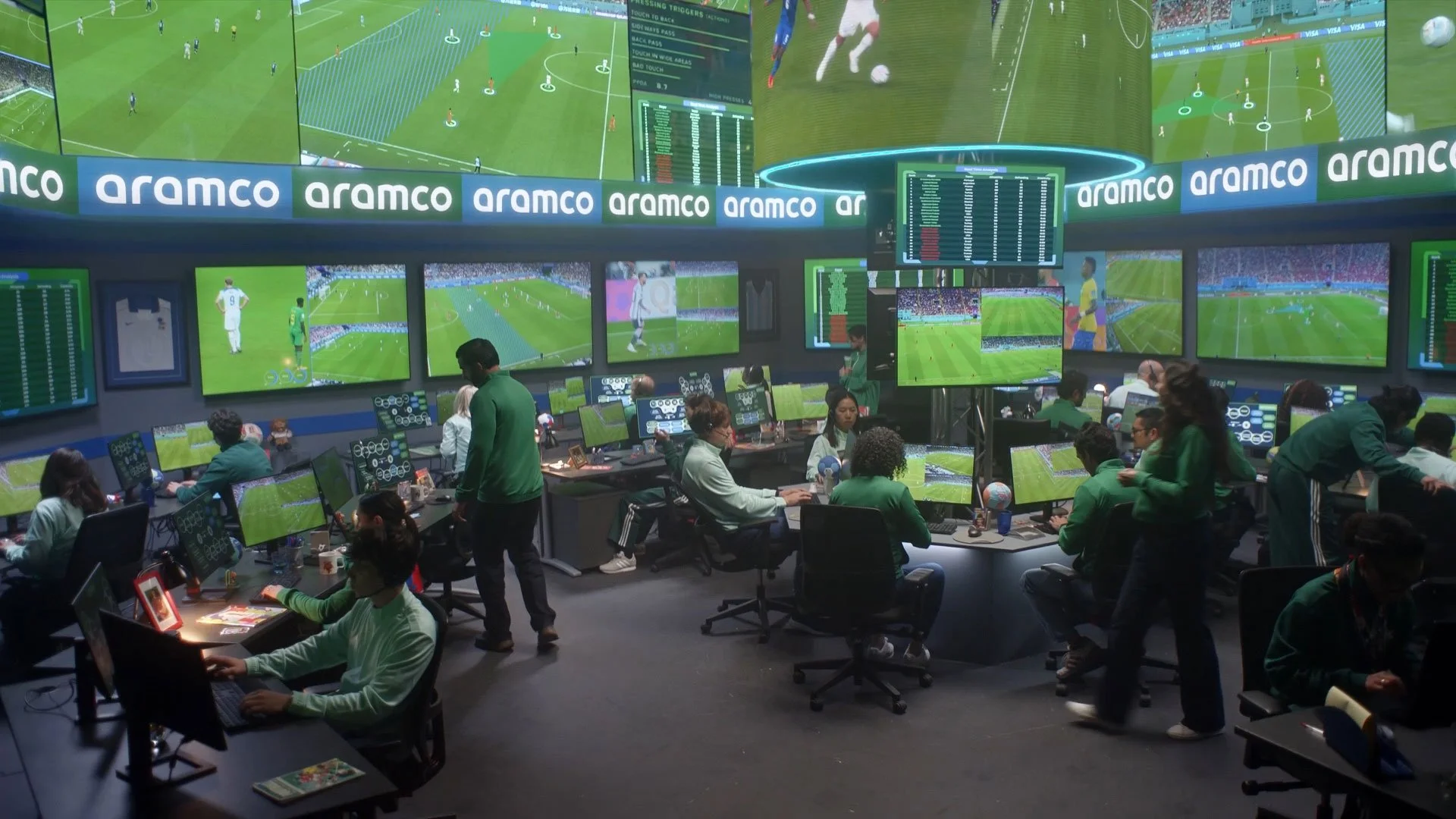
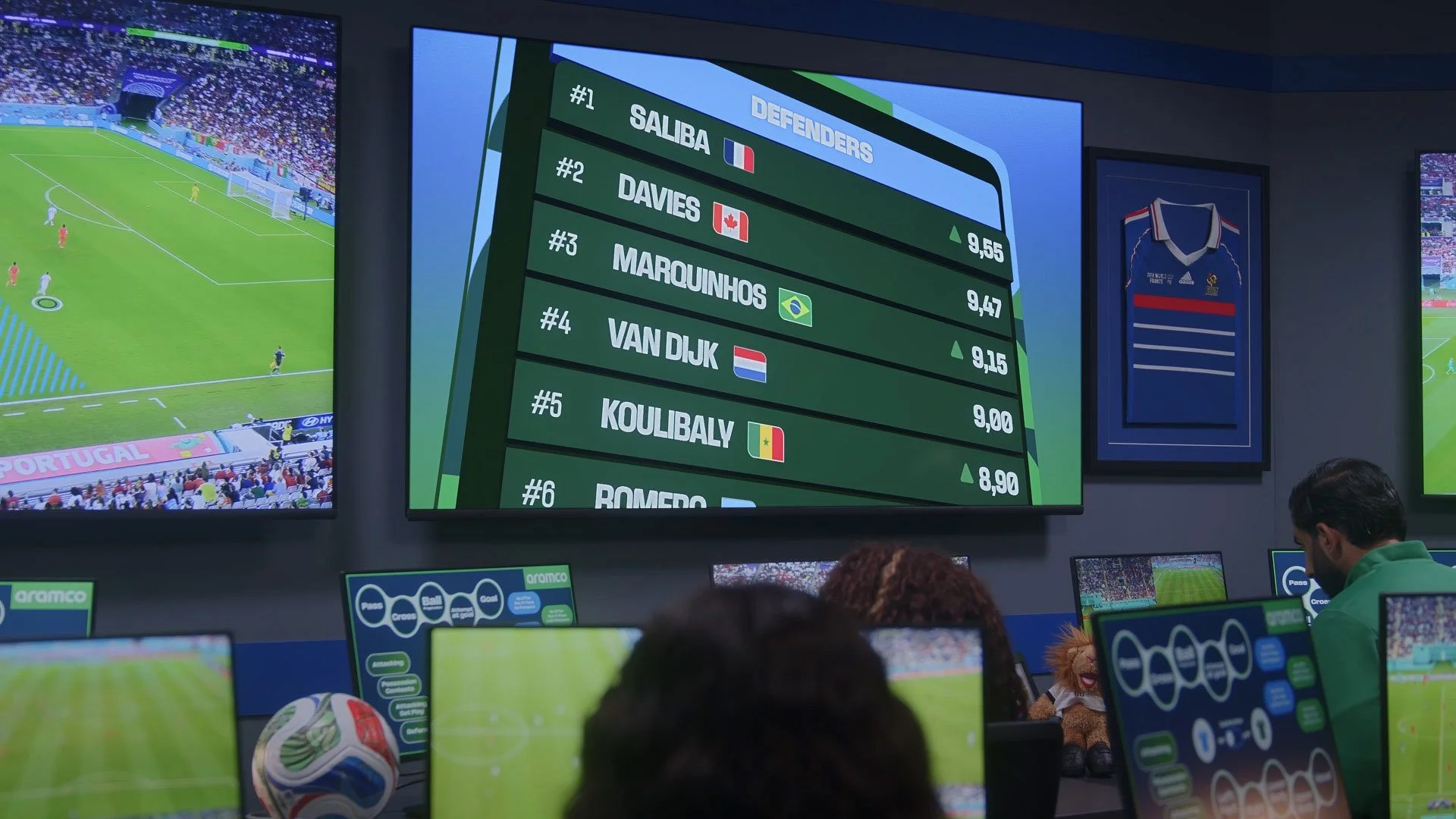
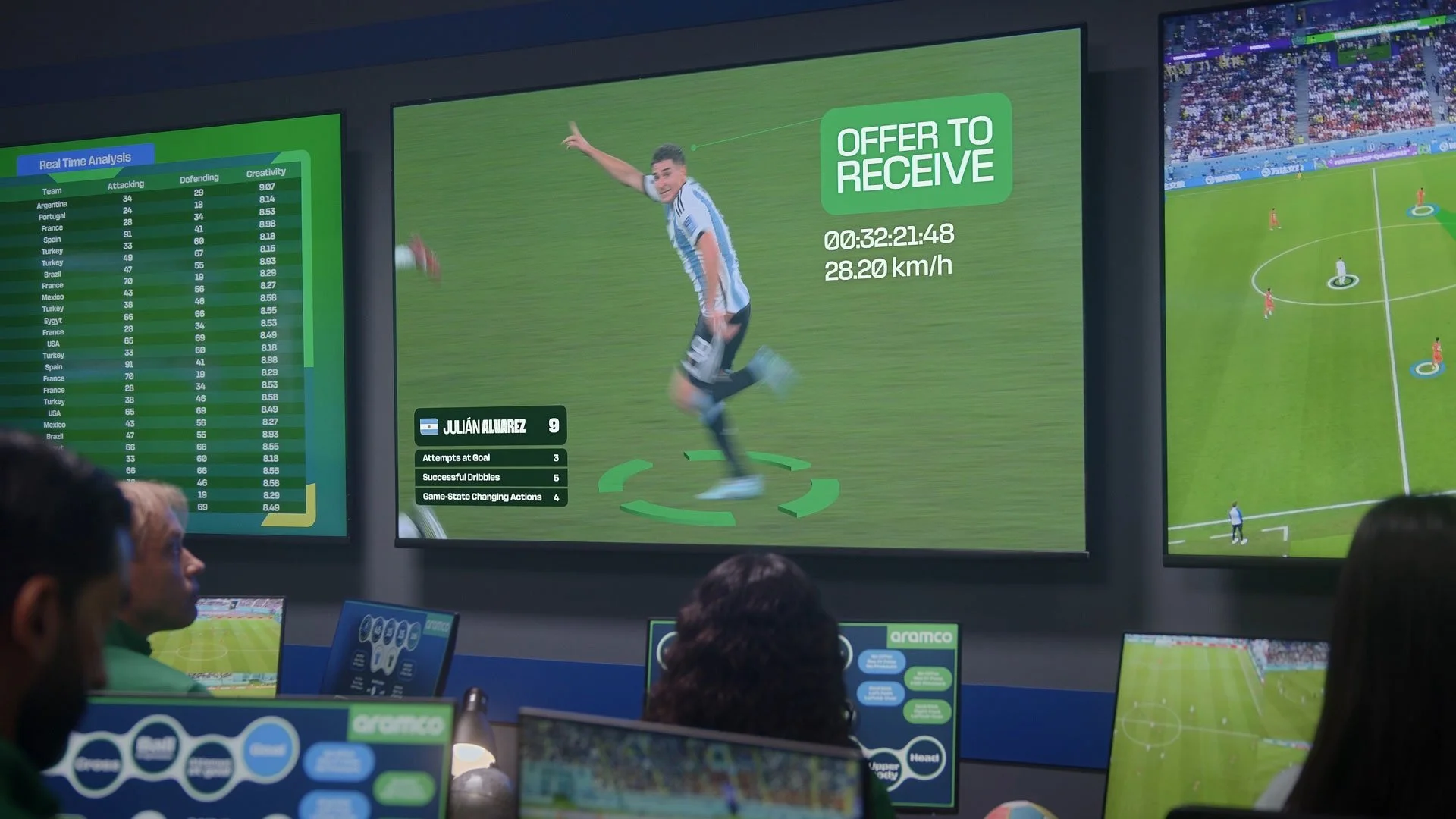
Combining advanced football data with technical analysis, the FIFA Power Rankings evaluate players across a range of defensive, creative and attacking metrics to reveal their impact on the pitch. The system provides context beyond traditional statistics, helping supporters better understand individual performances throughout the tournament.
Built using FIFA’s performance data and analytics, the rankings allow players to be assessed consistently and compared across the biggest stage in world football.
How are FIFA’s Power Rankings different?
Player ratings are nothing new, but FIFA’s Power Rankings have been designed to go beyond a single overall score.
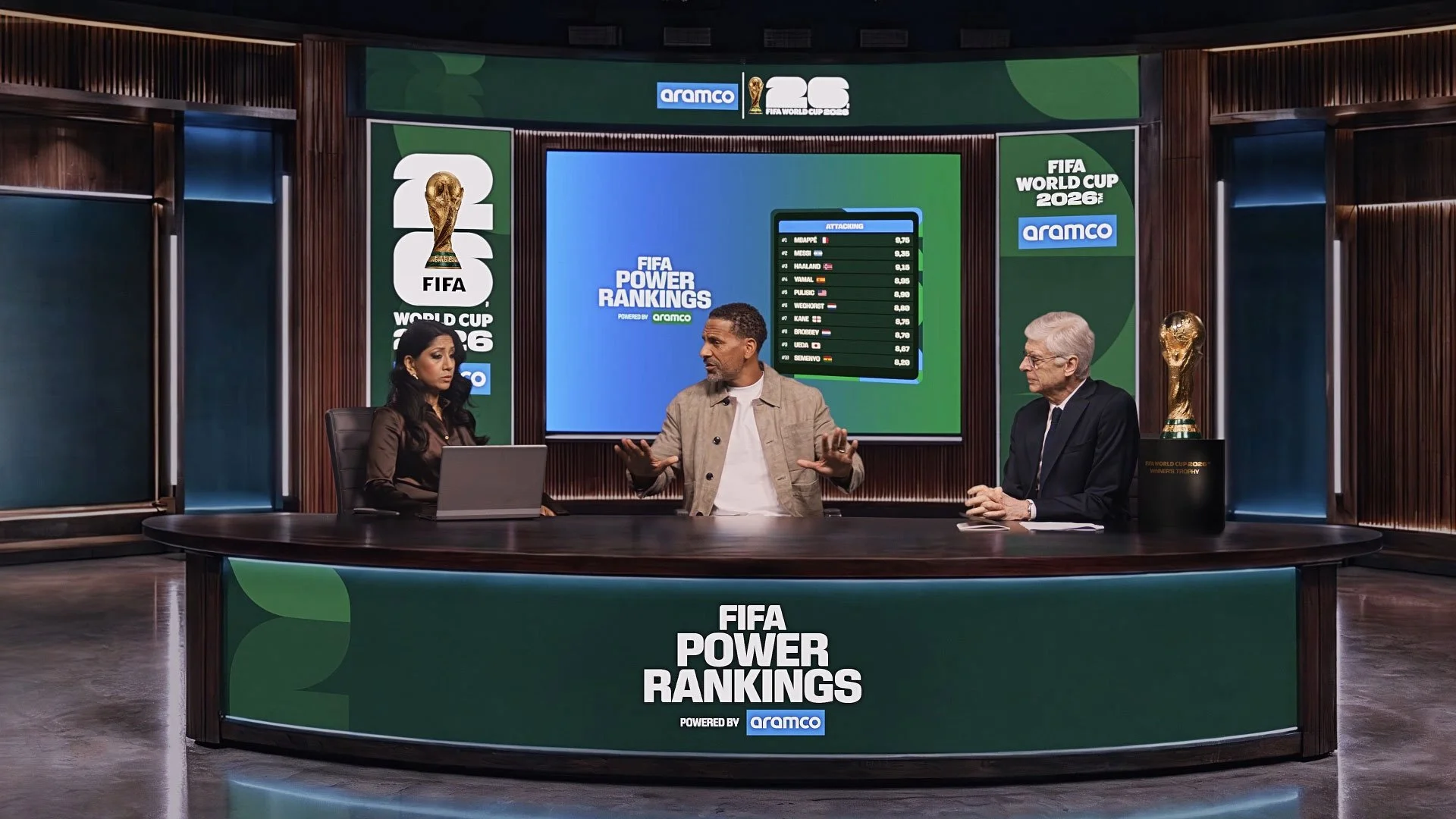
Developed under the guidance of FIFA Chief of Global Football Development Arsène Wenger, the system measures contributions across attacking, creative and defensive phases of play to reflect a player's complete performance.
Drawing on detailed match data, the Power Rankings identify aspects of performance that traditional statistics often miss.
“Performance will no longer be judged by opinion alone. With the new FIFA Power Rankings, every player will be measured through objective match data across attacking, creativity and defending, setting a new global standard for individual performance in football,” said Wenger.
The model has been refined by FIFA’s Football Performance Insights team in collaboration with former coaches and players. Using data that captures every action and decision during a match, it provides a more complete picture of both player and team performance.
How do the Power Rankings Work?
Every player receives a score from 0-10 in three key performance categories for each match.
Outfield players are assessed across three areas: attacking, creativity and defending. Goalkeepers are evaluated in two categories: defending and possession.
This approach recognises that players contribute in different ways. For example, some goalkeepers excel as shot-stoppers, while others add value through their distribution and involvement in possession.
Individual category scores contribute to the overall Tournament Classification and Top 100 rankings. Following the opening round, the rankings update after every match, reflecting the players making the greatest impact at the tournament.
Key Features of the Power Rankings
Each category is built from a range of underlying metrics.
The attacking category includes goals, assists, shots, ball progressions and take-ons. Creativity measures progressive passes, assists, line-breaking actions, attacking involvement and off-ball movement. Defensive performance is assessed through actions such as tackles, interceptions, clearances, blocks, forced turnovers and duels.
The model also accounts for game state, meaning decisive moments carry greater weight. For example, a match-winning goal is valued more highly than a fifth goal in a 5-0 victory.
Goalkeepers are evaluated through metrics including saves, penalty saves, defensive interventions, claims from crosses and clean sheets. Possession metrics include passing, receiving, line-breaking actions and involvement in attacking sequences.
Scores are then normalised to account for factors such as playing time and ball-in-play time, ensuring fair comparisons across all players.
Match Rankings vs Tournament Classification
The Power Rankings operate on two levels: Match Rankings and Tournament Classification.
Match Rankings compare every player within a single fixture. Players are ranked against everyone involved in that match, with performances converted into scores on a 0-10 scale.
The Tournament Classification measures performances across the entire competition. After each match, the tournament database updates and recalculates the rankings, generating an overall leaderboard and Top 100 lists.
As the World Cup progresses, rankings rise and fall based on performances across the tournament, providing a constantly updated view of the players making the biggest impact on football’s biggest stage.

THE NEWS ROOM
-
![]()
FIFA POWER RANKINGS FINAL ROUND
-
![Blue striped sports jersey with a large question mark on the back, hanging in a wooden locker.]()
SPOTLIGHT ON YOUNG PLAYER OF THE TOURNAMENT
-
![]()
FIFA POWER RANKINGS SEMI-FINALS
-
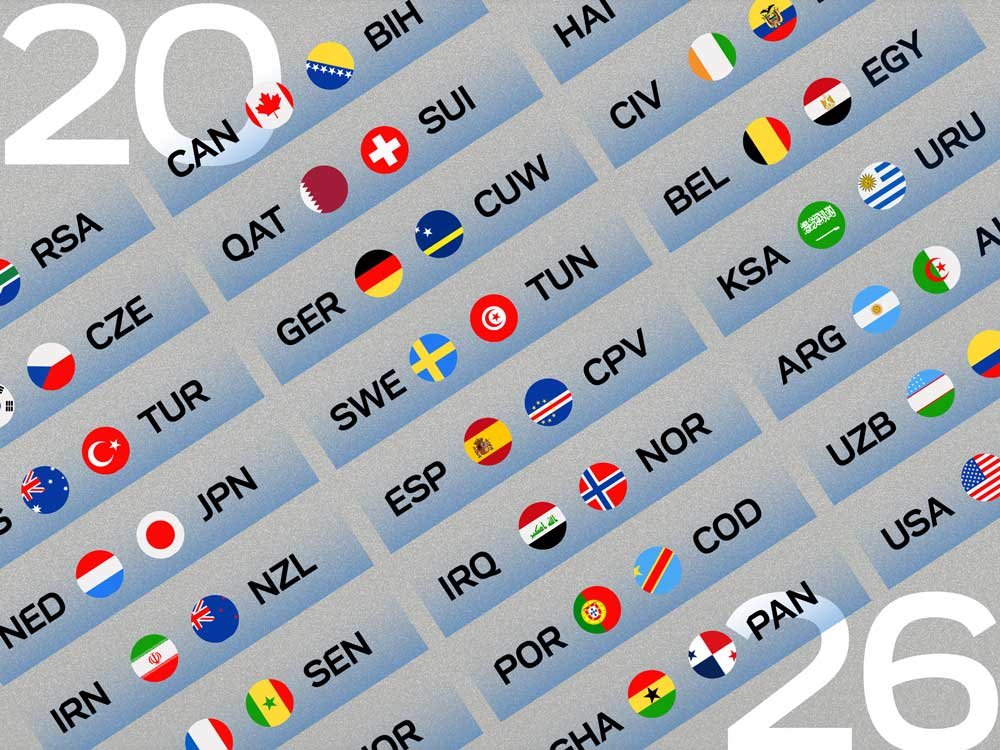
![A list of country flags with abbreviations, arranged in a grid, part of a larger infographic showing the opening World Cup fixtures]()
FIFA WORLD CUP 2026 SCORES & FIXTURES
-
![]()
FIFA POWER RANKINGS QUARTER-FINALS
-
![]()
FIFA POWER RANKINGS ROUND OF 16
-
![]()
FIFA POWER RANKINGS ROUND OF 32
-
![]()
FIFA POWER RANKINGS ROUND 3
-
![]()
FIFA POWER RANKINGS ROUND 2
-
![]()
FIFA POWER RANKINGS ROUND 1